
Are You Enjoying a Holodeck—or Facing Reality?
By Dr. Mary Lippitt, author of Leadersheep Saving the Herd
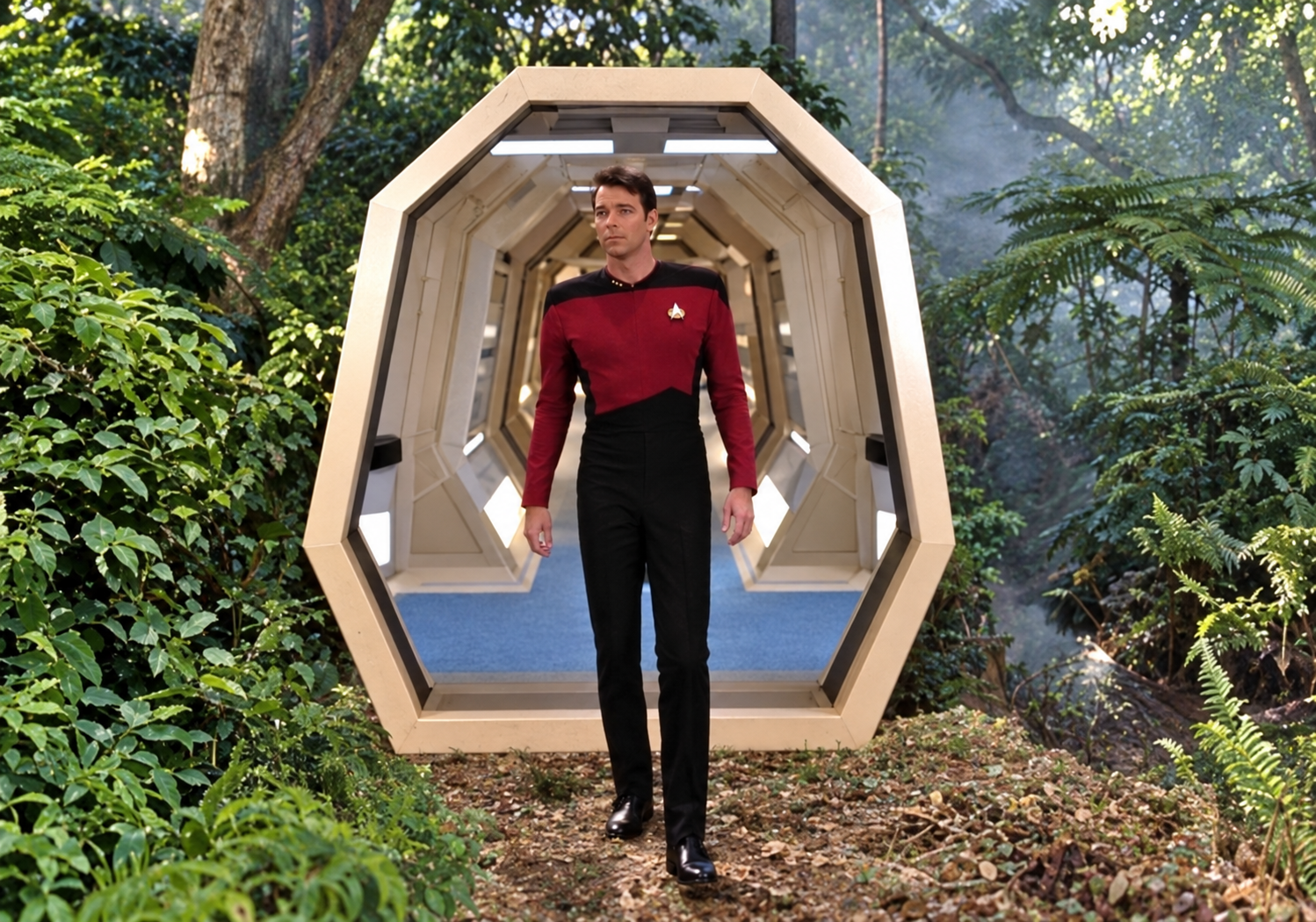
In Star Trek, the holodeck creates a convincing simulated world where crew members can relax, revisit favorite places, or immerse themselves in adventures.
Leaders can build a similar world from assumptions, reassuring reports, past successes, and outdated reward systems. Everything appears to work—until actual results challenge the picture.
Imagine a power disruption abruptly ending a holodeck experience. The comfortable simulation disappears, and the crew must respond to an unexpected reality. Their effectiveness depends on their ability to assess what is happening, coordinate, and act.
How would your team handle a disruption?
Would they rely on familiar routines and assumptions, or examine the situation for risks and opportunities?
What questions would they ask to uncover alternatives?
Would they distinguish between the need for immediate firefighting and the need to consider both short- and long-term consequences?
Would they test a small change, track its effects, and revise their approach as new information emerges?
Success requires teams to understand themselves, understand one another, and examine current realities with open minds. Knowing how people typically work is valuable, but so is recognizing when circumstances call for a different approach.
Some leaders adopt a “just do it” approach, acting as though they already possess all the relevant knowledge. Others prepare their teams to examine a situation from six perspectives, asking:
What has changed?
What remains the same?
Who is impacted?
What opportunities and risks might emerge?
What evidence do we need before we act?
What is the impact on our policies, culture, goals, and future?
What is the best path forward?
What could we do if there were no constraints?
An analytical framework turns discomfort into wise decisions and aligned action
Choose one important decision this week. Before acting, examine one assumption that does not align with current evidence.